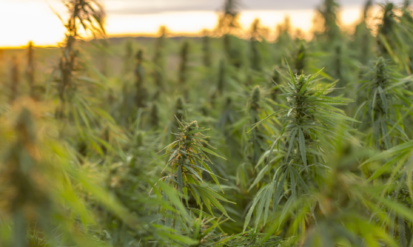
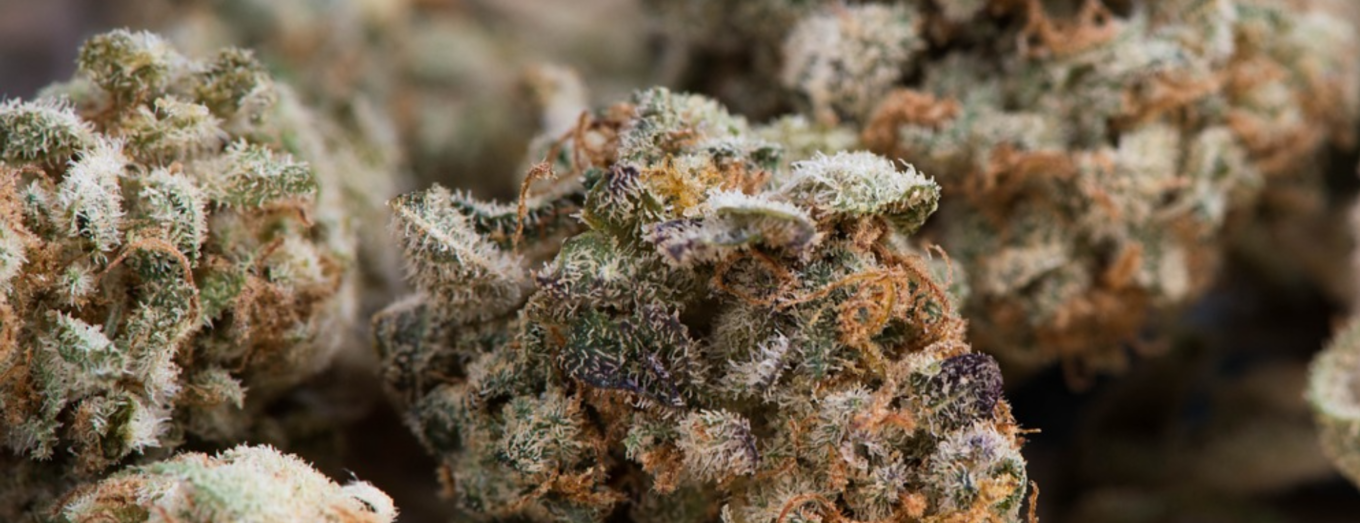
Colorado's climate is known for its sunshine, high elevation, and low humidity. While those conditions make for beautiful mountain views, they also create unique challenges for cannabis cultivation. From harvest to the dispensary shelf, growers must carefully manage moisture levels to ensure flower maintains its quality, aroma, and texture.
Understanding the ideal humidity for cannabis flower isn't just important for cultivators—it can also help consumers make more informed purchasing decisions. Cannabis that's been properly dried, cured, and stored often provides a better overall experience than flower that has dried out too quickly, regardless of its THC percentage.
If you're interested in what happens after harvest, Leafly explains the journey from plant to packaged product and why post-harvest handling plays such a critical role in quality.
Why Humidity Is So Important
After cannabis is harvested, the work isn't over. Freshly cut plants still contain moisture that needs to be removed gradually through drying and curing. Moving too quickly can cause flower to lose valuable aromatic compounds, while too much moisture can increase the risk of mold or mildew.
Finding the ideal humidity for cannabis flower helps preserve the plant's natural terpene profile, maintain a pleasant texture, and create a smoother smoking experience. It's one of the biggest reasons experienced cultivators spend weeks—not days—finishing their flower before it reaches consumers.
Humidity also affects how cannabis burns. Flower that's too dry may burn hotter and faster, while properly cured flower can burn more evenly and retain more of its natural flavor.
Colorado's Climate Creates Unique Challenges
Colorado's naturally dry environment presents challenges that growers in more humid regions don't experience to the same degree. Low ambient humidity can pull moisture from harvested plants quickly, making careful environmental control essential throughout the post-harvest process.
Because of these conditions, many Colorado cultivators have developed techniques designed to slow moisture loss and protect the quality of the flower.
One common approach begins with a slow, cool drying period of approximately 10–14 days. This allows moisture to leave the flower gradually rather than too rapidly. Once the flower reaches the appropriate moisture level, it may be transferred into specialized humidity-regulating curing bags utilizing TerpLoc® technology, where the curing and conditioning process continues under more controlled conditions.
These additional steps help prevent Colorado's dry air from stripping too much moisture from the flower before it's ready for packaging.
If you're curious about how freshness impacts the products you purchase, Green Dragon explains why packaging dates and storage practices deserve attention alongside THC percentages.
Why Proper Curing Matters
Many consumers focus on potency when shopping, but curing has a significant influence on overall product quality.
A thoughtful curing process allows moisture within the flower to distribute more evenly while giving chlorophyll time to break down naturally. The result can be a smoother smoking experience, better aroma, and a more expressive terpene profile.
The ideal humidity for cannabis flower isn't about making flower feel wet—it's about maintaining enough moisture to preserve quality without creating conditions that encourage microbial growth.
Colorado growers must balance this carefully because the state's dry climate naturally accelerates moisture loss throughout the drying and curing process.
Packaging Makes a Difference
Even after curing is complete, protecting cannabis from Colorado's dry air remains important.
Once flower has been trimmed, many cultivators package it in Grove Bags featuring TerpLoc® technology, which are designed to help maintain an internal environment of approximately 58–62% relative humidity while regulating moisture and gas exchange. This helps preserve ideal conditions during storage and transportation before products reach dispensary shelves.
Maintaining a stable environment after trimming helps protect the flower's texture and aromatic compounds while reducing unnecessary moisture loss.
For consumers, proper packaging can mean the difference between opening a container of fragrant, sticky flower and one that feels brittle or overly dry.
Signs Cannabis May Be Too Dry
Even quality cannabis can become overly dry if it's stored improperly for extended periods.
Some common signs include:
- Flower that crumbles easily
- A harsh or hot smoke
- Reduced aroma
- Less noticeable flavor
- Prerolls that may burn unusually fast
- Buds that feel brittle instead of slightly springy
These characteristics don't necessarily indicate poor cultivation, but they may suggest the flower has lost more moisture than intended.
Understanding the ideal humidity for cannabis flower helps explain why properly cured flower often feels noticeably different than cannabis that has dried excessively after packaging.
It's About More Than THC
Consumers sometimes assume the highest THC percentage automatically represents the highest-quality product. In reality, cultivation practices, drying techniques, curing methods, storage, and humidity management all contribute to the final experience.
Flower with a moderate THC percentage that's been carefully dried, cured, and packaged may deliver a more enjoyable experience than flower with higher potency that wasn't handled as carefully after harvest.
That's why many experienced cannabis consumers consider freshness, aroma, terpene profile, and curing quality alongside potency when comparing products. Shop Options Cannabis today!
What Consumers Should Know
Colorado's low humidity is simply part of growing cannabis in the region, and reputable cultivators build their post-harvest process around those environmental conditions.
By using techniques such as a slow, cool drying period of approximately 10–14 days, allowing flower to continue curing in humidity-regulating TerpLoc® curing bags, and maintaining an internal environment of approximately 58–62% relative humidity during storage, cultivators can help preserve the characteristics that make high-quality cannabis stand out.
The next time you're shopping, remember that the ideal humidity for cannabis flower plays a major role in how flower looks, smells, feels, and smokes. Looking beyond THC percentage and considering freshness, curing, and storage practices can give you a much better understanding of the product you're bringing home.
For readers interested in learning more, visit our Blog page for cannabis news and monthly topics.