If you've spent any time browsing a dispensary menu, you've probably noticed that prerolls come in more than one variety. Alongside traditional flower joints, many dispensaries now carry infused options that promise a more potent experience. For shoppers comparing infused prerolls vs regular prerolls, understanding what sets them apart can make it much easier to choose a product that matches your preferences rather than simply grabbing the highest THC percentage.
While both products offer convenience and eliminate the need to grind flower or roll a joint yourself, they're designed with different experiences in mind. Knowing how each is made, how they differ, and who they're best suited for can help you shop with more confidence.
If you're exploring different consumption methods, consider checking out [Flower Guide] for a closer look at cannabis flower or [Concentrates Guide] to learn how concentrates are made before deciding whether an infused product is right for you.
What Is a Regular Preroll?
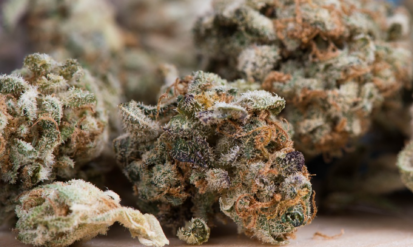
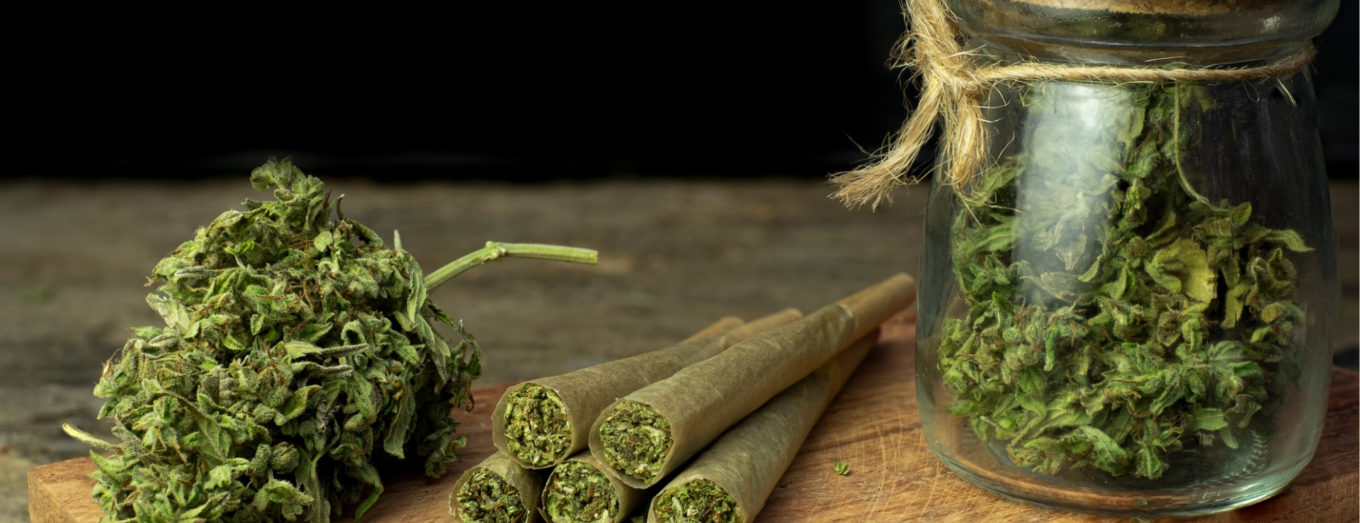
A regular preroll is exactly what it sounds like: ground cannabis flower that has been rolled into a ready-to-smoke joint. No additional cannabis extracts or concentrates are added.
Because they're made entirely from flower, regular prerolls allow consumers to experience the natural cannabinoid and terpene profile of a particular strain. Many people comparing infused prerolls vs regular prerolls appreciate that traditional prerolls showcase the characteristics of the flower itself without introducing concentrates that can alter potency or flavor.
Regular prerolls are often a great choice for consumers who:
- Want a classic smoking experience
- Enjoy exploring different strains
- Prefer balanced cannabinoid and terpene profiles
- Are newer to cannabis or moderate consumers
Since they come pre-rolled, they're also one of the easiest products for beginners who don't want to learn how to roll their own joints.
What Makes an Infused Preroll Different?
An infused preroll starts with cannabis flower but includes an additional cannabis concentrate. Depending on the manufacturer, that concentrate may be live resin, rosin, distillate, kief, diamonds, or another extract.
The concentrate is either mixed into the flower, layered throughout the joint, or applied to the outside before being coated with kief. The result is typically a product with higher cannabinoid concentrations than flower alone.
When consumers search for infused prerolls vs regular prerolls, potency is usually the first difference they notice–but it isn't the only one. Infusion can also influence flavor, aroma, burn characteristics, and the overall smoking experience.
If you're unfamiliar with different extract types, https://www.elevatedmt.com/what-are-cannabis-concentrates can help explain the differences between live resin, rosin, wax, shatter, and other concentrate formats commonly used in infused products.
Potency Isn't the Whole Story
It's easy to assume that a higher THC percentage automatically means a better product, but cannabis isn't quite that simple.
One of the biggest misconceptions surrounding infused prerolls vs regular prerolls is that potency alone determines quality. In reality, cannabinoids, terpenes, cultivation practices, curing methods, and concentrate quality all contribute to the overall experience.
A thoughtfully cultivated flower preroll may provide a more enjoyable experience than a poorly made infused preroll with a higher THC percentage. Likewise, a premium infused preroll made with high-quality concentrates can deliver a more complex flavor profile than one made with lower-quality ingredients.
Rather than focusing on THC alone, it's worth considering the complete picture when evaluating products.
Visit our Recreational Menu to explore options.
Flavor and Aroma
Flower naturally contains terpenes, the aromatic compounds responsible for many of cannabis's distinctive scents and flavors.
Because infused prerolls include concentrates, they often have richer or more pronounced aromas depending on the extraction method used. Live resin and rosin infusions, for example, are frequently chosen because they preserve more of the plant's original terpene profile.
Consumers comparing infused prerolls vs regular prerolls often find that flavor preferences are just as important as potency.
If preserving terpene expression matters to you, ask your budtender what type of concentrate was used in the infusion rather than simply looking at THC numbers.
Which Consumers Usually Prefer Each?
There's no universal "better" option.
Regular prerolls often appeal to shoppers who appreciate traditional flower and want to experience a specific cultivar as it was grown.
Infused prerolls, meanwhile, are commonly selected by consumers seeking:
- Higher potency
- Longer-lasting sessions
- More concentrated cannabinoid content
- Enhanced flavor from certain extracts
Experience level can also play a role. Because infused products may be significantly more potent, many consumers choose to start with traditional flower before moving into infused options as they become more familiar with cannabis.
What to Look for Before Buying
Whether you're purchasing a traditional preroll or an infused option, taking a closer look at the product label can provide valuable information.
Look for details such as:
- The type of cannabis flower used
- Whether the preroll is infused
- The concentrate used for infusion
- THC and CBD percentages
- Packaging date
- Batch information
Understanding cannabis labels can help you make a more informed purchase, especially when comparing similar products. https://www.bluelabelpackaging.com/blog/anatomy-of-a-cannabis-label-cannabis-labeling-requirements/ is a helpful resource if you're unsure what all of the numbers and terminology mean.
Rather than asking whether infused prerolls vs regular prerolls is the better choice, a more useful question is which product aligns with the experience you're looking for. Both offer convenience, both are widely available in licensed Colorado dispensaries, and both can provide an enjoyable experience when made with quality cannabis. The key is understanding what's inside each preroll so you can choose based on more than just the label.