For cannabis consumers exploring concentrates for the first time, understanding the difference between rosin and dabs can be confusing. While these terms are often used interchangeably, they actually describe different aspects of cannabis concentrate culture. Rosin refers to a specific type of solventless concentrate made using heat and pressure, while dabs are a broader category that refers to consuming concentrated cannabis products.
As concentrates continue to grow in popularity throughout Colorado, more consumers are looking beyond traditional flower and exploring options with stronger flavors, higher potency, and unique extraction methods. Knowing the difference between rosin and dabs can help shoppers choose products that match their preferences, experience level, and desired effects.
What Are Cannabis Dabs?
One of the easiest ways to understand the difference between rosin and dabs is to first define what a dab actually means.
A dab is not a specific type of concentrate. Instead, it describes the process of consuming concentrated cannabis, typically by heating a small amount of concentrate and inhaling the vapor through a dab rig or compatible device.
Many different concentrate types can be used as dabs, including:
- Live resin
- Wax
- Shatter
- Budder
- Crumble
- Diamonds
- Rosin
Because “dab” refers to the method of consumption rather than the extraction process, two people can both say they are taking a dab while using completely different cannabis products.
For more information about concentrate varieties, Our Weed Concentrates page provides an overview of popular options available at Colorado dispensaries.
What Is Rosin?
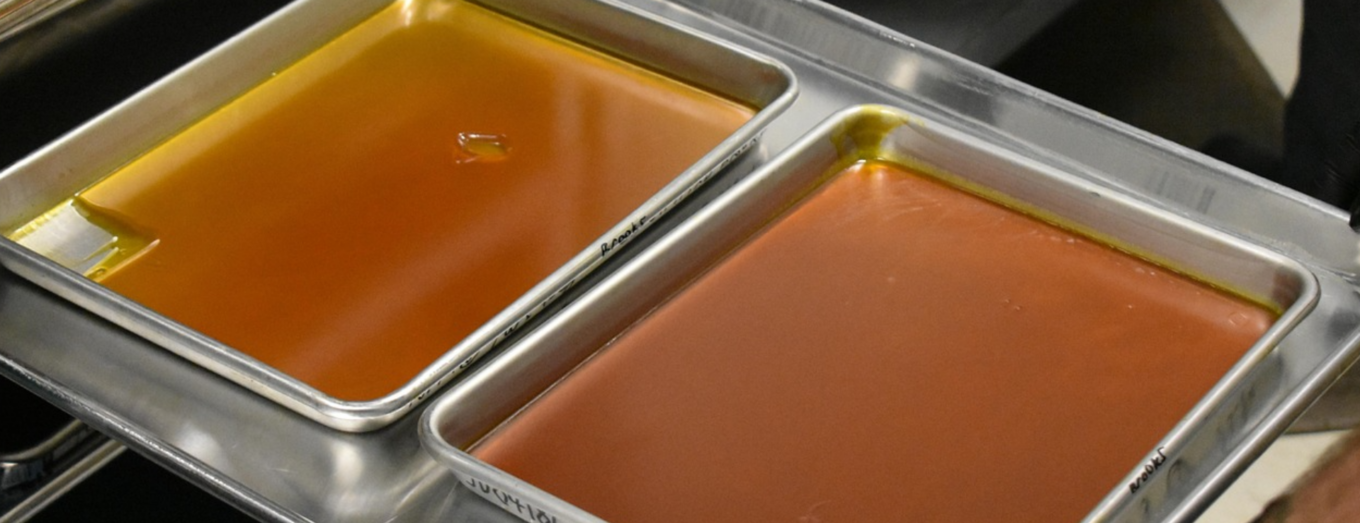
Rosin is a type of cannabis concentrate created without the use of chemical solvents. Instead, producers use controlled heat and pressure to separate cannabinoids and terpenes from cannabis material.
The result is a flavorful concentrate that many consumers appreciate for its purity and emphasis on preserving the natural characteristics of the plant.
Unlike some extraction methods that rely on solvents such as hydrocarbons, rosin production uses mechanical processes. This makes rosin especially popular among consumers interested in solventless cannabis products.
The most common types of rosin include:
- Flower rosin
- Hash rosin
- Live rosin
Live rosin is often considered one of the premium categories of concentrates because it begins with fresh frozen cannabis, helping preserve more of the plant’s terpene profile.
To learn more about solventless extraction, https://www.cannamd.com/resin-vs-rosin/ offers additional information about how these products are made.
The Main Difference Between Rosin and Dabs
The biggest difference between rosin and dabs comes down to terminology.
Rosin is a product. A dab is a method of consuming a product.
Think of it like this:
- Rosin = the concentrate itself
- Dab = the act of consuming concentrate
A person can take a dab of rosin, but they can also take a dab of live resin, wax, or another concentrate.
This distinction is important because many new consumers assume “dabs” and “rosin” are competing products. In reality, rosin is one type of concentrate that can be consumed through dabbing.
Rosin vs. Other Dab Concentrates
Understanding the difference between rosin and dabs also means comparing rosin with other concentrates commonly used for dabbing.
Rosin
Extraction method: Heat and pressure
Uses solvents: No
Known for: Flavor, terpene preservation, craftsmanship
Common consumers: Experienced shoppers interested in premium products
Rosin is often chosen by consumers who prioritize taste and production methods over simply finding the highest THC percentage.
Live Resin
Extraction method: Solvent-based extraction using fresh frozen cannabis
Uses solvents: Yes
Known for: Strong aroma and terpene profiles
Common consumers: Those looking for flavorful concentrates at various price points
Wax and Shatter
Extraction method: Typically solvent-based extraction
Uses solvents: Usually yes
Known for: Potency and accessibility
Common consumers: Consumers looking for traditional concentrate options
When comparing products, many shoppers look beyond THC levels and consider freshness, extraction methods, and terpene content.
For more information about choosing quality products, visit https://www.acslab.com/retail/cannabis-concentrates-guide here.
Which One Is Better: Rosin or Other Dabs?
There is no universal answer when deciding between rosin and other dab products. The right choice depends on what matters most to the individual consumer.
Rosin may be appealing for people who value:
- Solventless production
- Strong flavor profiles
- Small-batch craftsmanship
- Natural terpene preservation
Other concentrates may be appealing for people who prioritize:
- Lower prices
- Higher availability
- Different textures and consistencies
- Variety of options
The difference between rosin and dabs is not necessarily about one being better than the other. Instead, it is about understanding what each product represents and choosing based on personal preferences. Explore Our Daily Deals on Resin products.
Tips for First-Time Concentrate Consumers
For shoppers new to concentrates, starting slowly is important. Many concentrate products contain significantly higher THC levels than traditional flower.
A few helpful tips include:
- Start with a very small amount.
- Ask budtenders about product differences.
- Pay attention to terpene profiles.
- Store concentrates properly to preserve freshness.
- Purchase from licensed Colorado dispensaries.
Consumers who are transitioning from flower may also want to explore different consumption methods before choosing a favorite concentrate style. You can compare flower and concentrate options through Our Cannabis Flower page.
Why Understanding Concentrates Matters
As cannabis products continue evolving, consumers have more choices than ever before. Learning the difference between rosin and dabs allows shoppers to better understand what they are purchasing and why certain concentrates may have different prices, flavors, and experiences.
Rosin represents one of the most popular examples of modern solventless cannabis production, while dabbing remains one of the most common ways experienced consumers enjoy concentrates.
For Colorado cannabis shoppers, education is one of the best tools for making informed purchasing decisions. Whether you prefer premium rosin, flavorful live resin, or another type of concentrate, understanding extraction methods and product categories can help you find an option that fits your preferences.
As concentrate culture continues to grow, knowing the difference between rosin and dabs makes it easier to navigate dispensary menus, ask better questions, and appreciate the craftsmanship behind today’s cannabis products.
For additional information about Colorado cannabis education and regulations, https://cannabis.colorado.gov/shareable-resources can provide helpful guidance.