Quick answer: Outdoor cannabis grows in open air under natural sunlight through a seasonal cycle. Greenhouse cannabis grows under a covered structure that uses sunlight, often with some added climate control. Indoor cannabis grows entirely inside rooms where light, temperature, humidity, and airflow are managed by equipment. None of these settings automatically means high or low quality. Quality depends on genetics, plant care, harvest timing, drying, curing, testing, and storage.
Colorado retail shelves often label flower by grow type. Those labels describe where and how the plant lived, not a single guaranteed score for aroma, potency, or smoothness. Understanding the setting helps explain why batches can look and smell different from one another.
What is outdoor grown cannabis?
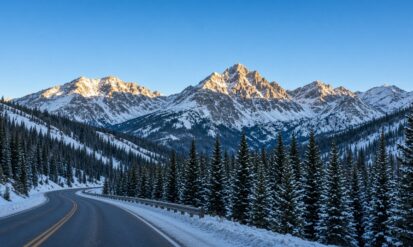
Outdoor cannabis is grown in fields or large outdoor containers under the sun. Day length and seasonal weather drive the plant's growth and flowering cycle. Rain, irrigation, wind, insects, mold pressure, dust, and wildlife are all part of that environment.
Outdoor cultivation can produce large plants and large harvests because sunlight is abundant and plants are not limited by the walls of a room. The same exposure that supplies free light also introduces variability. Two seasons, even with similar genetics, can finish differently if weather, pests, or harvest windows diverge.
What is greenhouse cannabis?
Greenhouse cannabis sits between outdoor and indoor. Plants grow inside a glass or plastic structure that lets sunlight in while buffering some weather and pests. Many greenhouses also use fans, shade cloth, heating, cooling, or supplemental lighting.
How much a greenhouse resembles outdoor or indoor growing depends on the facility. A climate-controlled greenhouse can hold tighter ranges for temperature and humidity. A basic hoop house offers less protection and behaves more like a sheltered outdoor plot. The label "greenhouse" alone does not tell you how much control the grower actually had.
What is indoor cannabis?
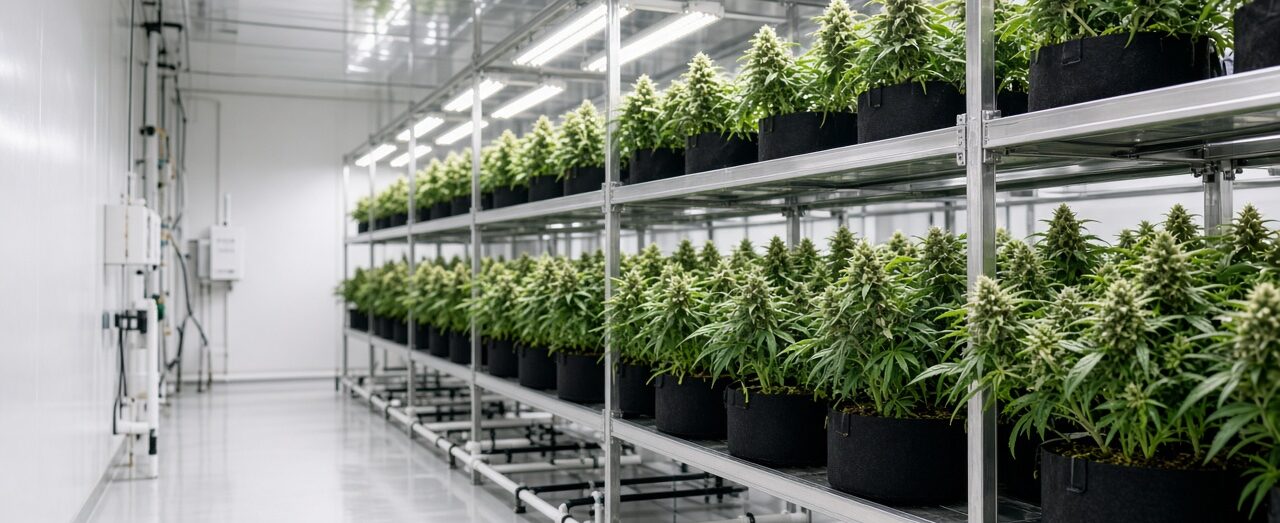
Indoor cannabis grows in enclosed rooms with artificial lighting and managed climate systems. Growers can set light schedules, deliver water and nutrients on a plan, and keep temperature, humidity, and airflow in target ranges. That control can support consistency from cycle to cycle when the facility is well run.
Indoor growing also uses electricity, equipment, and labor. A carefully grown outdoor or greenhouse batch can outperform a poorly handled indoor batch, and the reverse is also true.
Does grow setting decide quality by itself?
No. Grow setting shapes risk and opportunity. It does not write the final result.
Genetics matter. So do nutrient management, pest pressure, harvest timing, drying, curing, trimming, packaging, and how the flower was stored after it left the grow. Drying too quickly can leave harsh, grassy notes. Drying too slowly raises mold risk. Those post-harvest steps can lift or undermine flower from any setting.
Visible frost, aroma, moisture feel, and lab results are useful clues when they are available. Even then, personal preference plays a role. Some people prefer denser indoor buds. Others prefer the aroma profile of sun-grown flower. Preference is not the same as a universal ranking.
Energy and environmental trade-offs
Outdoor growing uses sunlight, so it typically needs less electricity for lighting than indoor rooms. Indoor facilities can control water and climate more tightly and protect plants from weather, but they often consume more energy. Greenhouses land in between, depending on how much supplemental equipment they run.
There is no single "best for the planet" answer without looking at a specific facility's power source, water use, waste handling, and yield. Consumer labels rarely include that full picture. Treat environmental claims as incomplete unless the producer shares measurable details.
How to read grow-type labels in Colorado
Some packages say outdoor, sun grown, greenhouse, mixed light, or indoor. Others name a cultivator without naming the setting. Licensed Colorado retail flower should also carry required packaging and testing information.
Colorado adults 21 and older may buy retail cannabis only from licensed stores, with a valid photo ID. Public consumption is illegal, private-property rules still apply, and cannabis cannot travel across state lines. For current statewide basics, see Colorado's page on
laws about cannabis use.
This article explains cultivation settings in plain language. It is not growing advice, not a product recommendation, and not medical advice.
Outdoor vs indoor FAQ
How is outdoor cannabis grown?
In open air under natural sunlight through a seasonal cycle, with more direct exposure to weather and pests than indoor rooms.
Is outdoor weed always lower quality than indoor?
No. Outdoor flower can vary more because of weather and pests, but quality still depends on genetics, care, harvest, drying, curing, and storage. Indoor control can support consistency. It does not guarantee a better product every time.
Can greenhouse cannabis match indoor consistency?
It depends on the greenhouse. Facilities with strong climate control can stay closer to indoor ranges. Basic structures have less control.
Why do cultivation costs vary by setting?
Indoor facilities use artificial lighting and climate-control equipment. Outdoor and greenhouse facilities have different equipment and energy needs, so production costs vary by facility.
Who can buy retail flower in Colorado?
Adults 21 and older with a valid photo ID, and only from licensed retail stores.